Risk
Risk framework.
Every loan is secured by physical goods the fund owns and controls, part-paid by the borrower’s own cash deposit. The goods are released only once the fund has been repaid.

Physical control
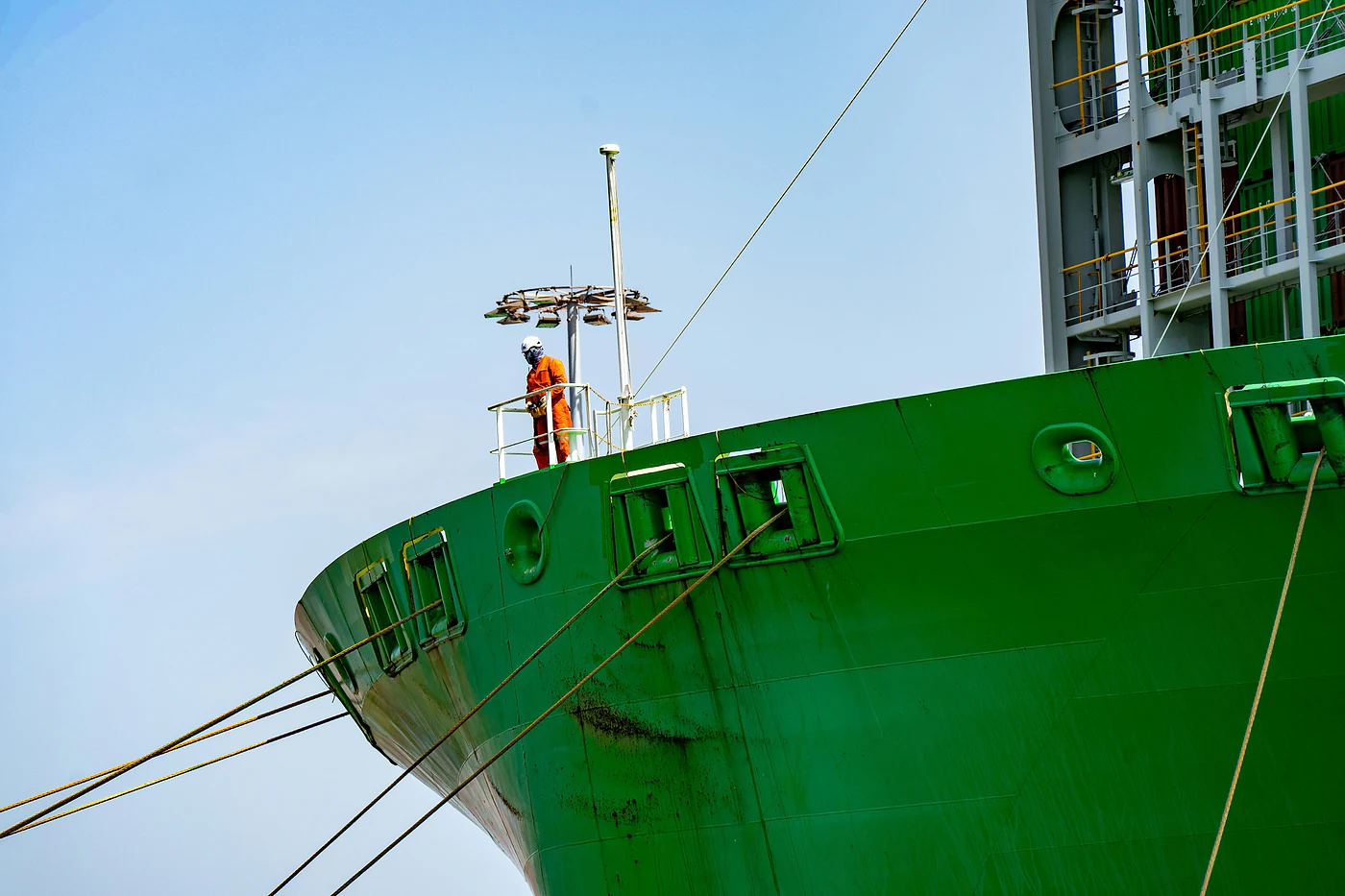
The fund owns the cargo. And controls it.
The fund buys the commodity as principal and receives a cash deposit from the borrower before any capital moves to the supplier.
- 1
Approved by the investment committee
Every transaction is reviewed and approved by the fund’s investment committee before any capital is committed.
- 2
Bought by the fund
Once the borrower’s deposit is received, the fund becomes the purchaser of record and pays the supplier directly.
- 3
Held by the fund
At every point in the trade, the fund holds the goods, the original title documents or the cash.
- 4
Marked to market
The collateral is revalued against market prices every day, so the fund’s cover is always known and a margin call can be made at once.
- 5
Released on payment
The borrower receives the goods only after paying in full.
Secured by design.
Each loan is over-collateralised. The fund owns the cargo, and the deposit paid by the borrower covers part of its cost, so the goods are worth more than the capital the fund has at risk. If the borrower defaults, the fund sells the goods it already owns to another buyer, so recovery starts from possession rather than litigation. Margin calls, insurance and index-priced collateral manage the remaining risk.
Key credit terms
- Goods owned by the fund
- 100%
- Deposit paid by the borrower
- 15–30%
- Asset cover
- 1.18–1.43x
- Maximum tenor
- 120 days
- Collateral valuation
- Daily
The deposit is a share of the value of the goods. Asset cover is the value of the goods against the fund’s capital at risk.
Stress test
What happens if a borrower doesn’t pay?
One illustrative trade, followed through a price fall, a margin call and a borrower default. Choose any stage to see what protects the fund at that point.
Stage 1 of 6 · Deposit
Capital moves last
The fund pays the supplier directly, and only once the borrower’s deposit has been received. As purchaser of record, the fund owns the cargo, and the borrower’s deposit pays part of its cost.
Stage 2 of 6 · Collateral
Over-collateralised from day one
From day one the fund owns the cargo, part-paid by the borrower’s deposit, so the goods are worth more than everything the fund is owed: the loan, interest and the costs it pays. As owner, the fund controls the goods.
Stage 3 of 6 · Price fall
Prices move
Collateral is priced against market indices, so any fall in prices shows at once. The borrower’s deposit, set when the trade is structured, absorbs ordinary moves first.
Stage 4 of 6 · Margin call
The buffer is restored
If the buffer narrows, a margin call requires the borrower to top it up. Costs the fund pays, such as freight and insurance, are recovered from the borrower every month.
Stage 5 of 6 · Default
The borrower does not pay
Events of default include non-payment by the borrower, failure to meet a margin call, and other events set out in the loan agreement.
Stage 6 of 6 · Recovery
Recovery starts from possession
The fund finds an alternative buyer and sells the goods it already owns. Recovery starts from possession, not litigation.
Risk framework
Every risk underwritten is a risk controlled.
Every loan is secured by physical goods the fund owns and controls, worth more than the capital at risk. If a borrower fails, the cargo is already the fund’s.
Layer 01 of 06
Short tenor
Each loan finances a single trade cycle and has a maximum tenor of 120 days, which limits how long capital is at risk.
Layer 02 of 06
Over-collateralised
The borrower’s deposit pays part of the cost of the goods, so they are worth more than the fund’s capital at risk. Asset cover is 1.18–1.43x.
Layer 03 of 06
Bill of Lading
The document of title, held by the fund from the moment of purchase.
Layer 04 of 06
Secure storage and insurance
The goods are insured throughout the cycle, at sea and in monitored storage.
Layer 05 of 06
Liquid collateral
Index-priced commodities with active markets, so they can be sold to another buyer quickly.
Layer 06 of 06
Continuous surveillance
Daily mark-to-market, tracking of every movement of the goods, and monitoring of every transaction for the life of the loan.
All six layers
Six layers stand between a default and LP capital.
- 01Short tenor
- 02Over-collateralised
- 03Bill of Lading
- 04Secure storage and insurance
- 05Liquid collateral
- 06Continuous surveillance
Select a ring to read about that layer.
Where the yield comes from
An access premium, not a risk premium.
The fund serves creditworthy borrowers that banks no longer reach. Its premium pays for that reach, not for taking extra credit risk.